How to Choose the Right Thickness for Colored Stainless Steel Sheets
09 Jun, 2026
How to Choose the Right Thickness for Colored Stainless Steel Sheets
When customers choose colored stainless steel sheets, they usually look at the color and surface finish first. Rose gold, black titanium, champagne gold, mirror, brushed, etched, and embossed finishes can all change the final appearance of a project.
But in real decoration and construction projects, thickness is also very important.
If the sheet is too thin, it may be easier to deform during processing or installation. If the sheet is too thick, the material cost, weight, and processing cost may increase more than necessary. The right thickness should match the application, structure, surface finish, and budget.
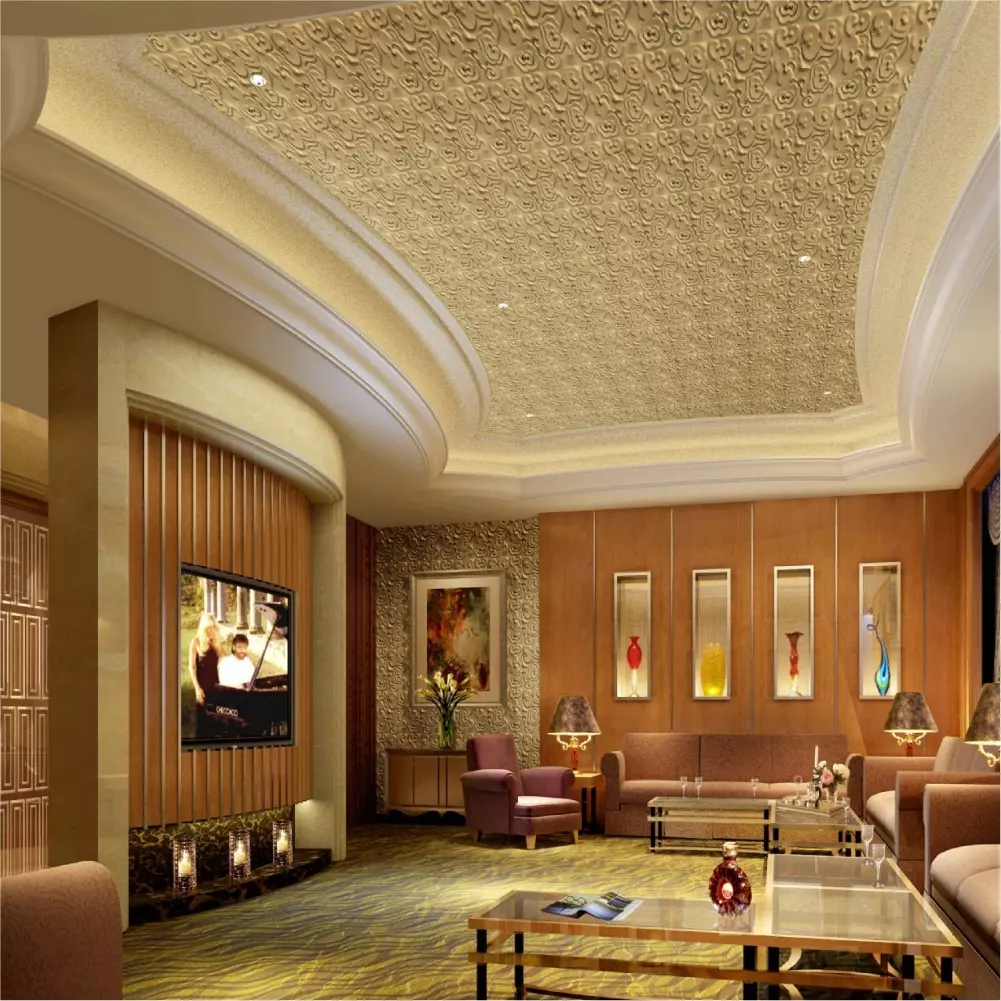
This guide will help you choose a more suitable colored stainless steel sheet thickness for wall panels, elevators, furniture, cabinets, doors, hotels, retail stores, and commercial interior decoration projects.
Why Thickness Matters in Colored Stainless Steel Sheet Projects
Colored stainless steel sheet is often used as a decorative surface, but thickness should not be ignored. Thickness affects flatness, strength, weight, processing, installation, and final appearance.
For example, a thinner sheet may be enough for furniture surface covering or light wall decoration. But if the sheet is used for elevator doors, large wall panels, shopfronts, or areas that need better strength, a thicker sheet may be more stable.
Thickness also affects processing. Cutting, bending, grooving, punching, and laser cutting may all require different thickness choices. If the thickness is not suitable, the sheet may bend poorly, show waves, or become difficult to install.
That is why buyers should not only ask for the cheapest thickness. A better way is to choose based on how the sheet will actually be used.
0.5mm to 0.8mm: Suitable for Light Decoration and Surface Covering
Colored stainless steel sheets between 0.5mm and 0.8mm are often used for light decorative applications.
This thickness range is suitable for indoor wall panels, ceiling decoration, cabinet surfaces, furniture panels, display shelves, shop decoration, and decorative trims. It is lighter, easier to process, and usually more cost-effective.
For projects where the sheet is attached to a flat base board or fixed onto a stable structure, 0.5mm to 0.8mm can be a practical choice. It can provide a good decorative metal appearance without adding too much weight or cost.
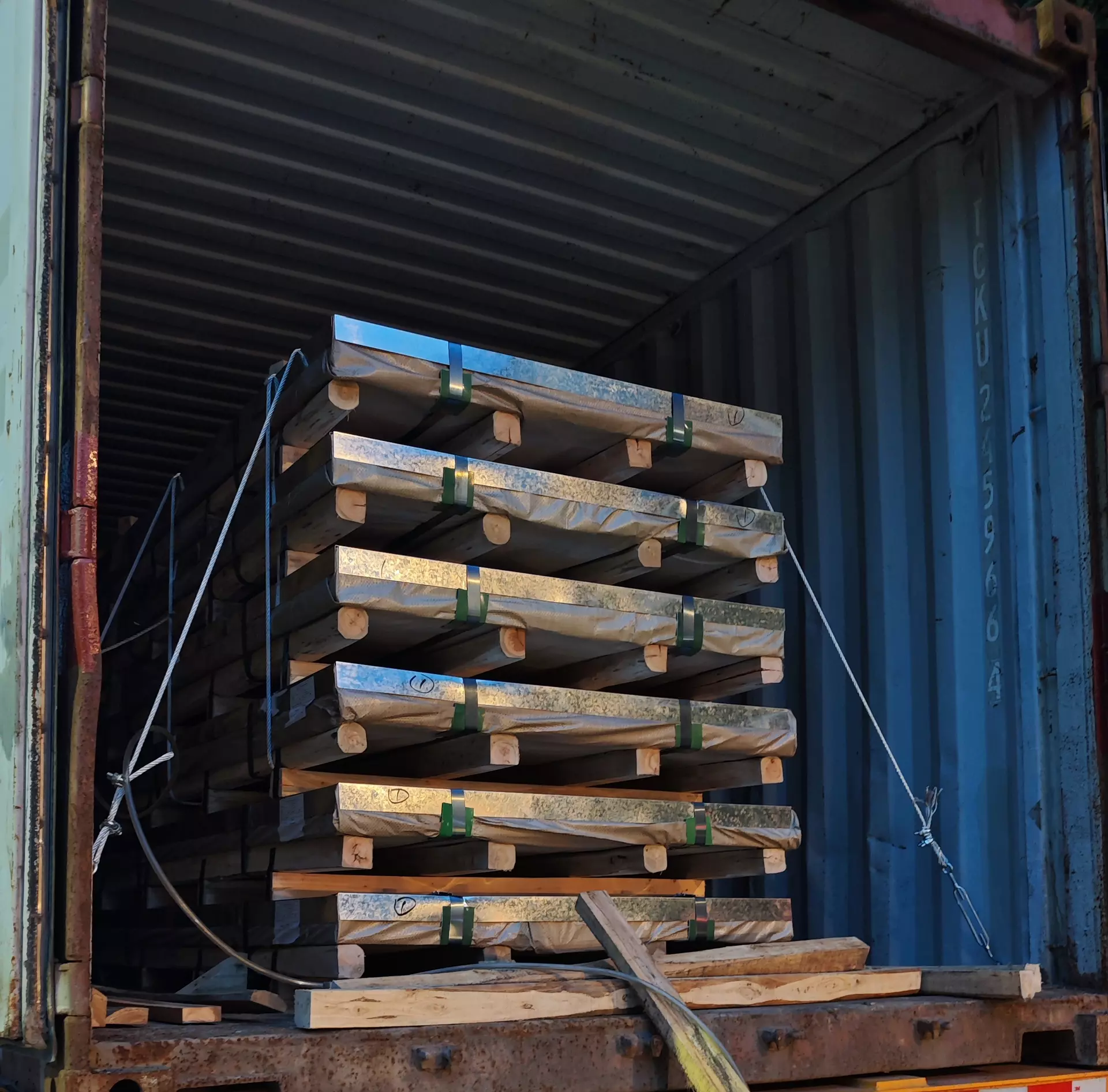
However, if the sheet size is large or the surface needs to stay very flat by itself, buyers should be careful with very thin material. Proper backing, installation method, and packaging are important.
0.8mm to 1.0mm: A Common Choice for Commercial Decoration
For many commercial decoration projects, 0.8mm to 1.0mm is a very common thickness range.
It offers a good balance between cost, strength, flatness, and processing performance. This thickness is often used for elevator cabins, door frames, wall cladding, restaurant decoration, hotel interiors, retail stores, furniture, and commercial metal panels.
If customers are not sure which thickness to choose, 0.8mm or 1.0mm is often a safe starting point for many indoor projects. It is not too thin for processing, and it does not increase the cost as much as thicker sheets.
For brushed colored stainless steel, mirror colored stainless steel, etched stainless steel sheets, and decorative stainless steel wall panels, this thickness range is widely used because it supports both appearance and practical installation needs.
1.0mm to 1.5mm: Better for Larger Panels and Stronger Applications
If the project needs better strength, better flatness, or larger panel sizes, 1.0mm to 1.5mm colored stainless steel sheets may be more suitable.
This thickness range is often used for elevator doors, door panels, large wall panels, column cladding, shopfronts, high-end decoration, metal furniture, and commercial areas where the sheet needs better stability.
Thicker sheets are usually more stable during installation and less likely to show waves when used in larger sizes. They also feel stronger and more solid, which is important for high-end projects.
Of course, thicker material also means higher cost, heavier weight, and sometimes more processing requirements. Before choosing 1.2mm or 1.5mm, it is better to confirm the structure, installation method, bending requirements, and budget.
Match Thickness with the Final Application
The best thickness is not always the thickest one. It should match the final application.
For furniture surfaces, cabinet doors, and decorative panels, thinner sheets may be enough if they are supported by a base material. For elevator decoration, door frames, and wall cladding, 0.8mm to 1.0mm is often more practical. For large panels, door panels, or high-end commercial areas, 1.0mm to 1.5mm may provide better stability.
The installation method is also important. A sheet fixed onto a solid backing board does not need the same thickness as a sheet used as a visible structural panel. If the sheet needs bending, grooving, or cutting into special shapes, the thickness should be confirmed before production.
Buyers can share drawings, application photos, or installation details with the supplier. This helps the factory recommend a more accurate stainless steel sheet thickness and avoid unnecessary material waste.
Surface Finish Can Also Affect Thickness Selection
Different surface finishes may have different requirements for thickness and processing.
Mirror colored stainless steel sheets need better flatness because reflections can make waves or uneven areas more visible. For large mirror panels, choosing a suitable thickness and good backing support is very important.
Brushed colored stainless steel sheets are more forgiving visually and are commonly used in many thicknesses. Random pattern stainless steel sheets can also help reduce the visual impact of small scratches or slight surface marks.
Etched and embossed stainless steel sheets may need extra attention during cutting, bending, and installation. The pattern direction, surface protection, and processing method should be confirmed clearly.
So when choosing thickness, buyers should not separate it from the finish. Material grade, thickness, surface finish, and processing method should be considered together.
Simple Thickness Suggestions for Different Applications
For light indoor decoration, furniture covering, cabinet surfaces, and ceiling decoration, 0.5mm to 0.8mm can be considered.
For wall cladding, elevator cabins, door frames, restaurant decoration, hotel interiors, and retail store decoration, 0.8mm to 1.0mm is usually a common and practical choice.
For elevator doors, large wall panels, shopfronts, door panels, column cladding, and high-end commercial projects, 1.0mm to 1.5mm may offer better stability.
These suggestions are only a starting point. The final choice should still depend on the sheet size, installation method, surface finish, processing requirements, and project budget.
Final Advice Before Ordering
Before ordering colored stainless steel sheets, it is helpful to confirm a few simple details:
Where will the sheet be used? Will it be attached to a backing board? Is the panel size large or small? Does it need cutting, bending, grooving, or laser cutting? Is the project focused on budget, appearance, strength, or long-term stability?
For light indoor decoration, 0.5mm to 0.8mm may be suitable. For general commercial decoration, 0.8mm to 1.0mm is a common choice. For larger panels, elevator doors, door panels, or high-end projects, 1.0mm to 1.5mm can offer better stability.
Choosing the right colored stainless steel sheet thickness can help reduce deformation, improve installation quality, control cost, and make the final project look better.
If you are not sure which thickness is suitable for your project, you can start by confirming the material grade, size, color, surface finish, application area, and processing requirements. With clear project details, it is much easier to choose the right decorative stainless steel sheet and avoid unnecessary problems during production and installation.
If you have more information you would like to know, you can leave a message to us through the form below, and our staff will contact you as soon as possible