
How to Choose the Right Stainless Steel Grade: 201, 304, 316 or 430?
Stainless steel grades should be selected around the end-use environment, not only the lowest price.
Start with the application, not the grade number
Two buyers may both request stainless steel sheet but need very different performance. Before comparing quotations, clarify whether the material will be used indoors, near the coast, in a food-contact environment, or as a formed component. Exposure, cleaning chemicals, expected service life and local requirements all affect selection.

What the common grades mean
201: Often considered for cost-sensitive indoor products where the service environment and fabrication process are suitable. Its corrosion performance is generally less robust than 304 in demanding conditions.
304: A widely used general-purpose austenitic grade for equipment, kitchen-related fabrication and architectural products under suitable conditions.
316 / 316L: Contains molybdenum, which improves resistance to some chloride-related corrosion situations compared with 304; it is not corrosion-proof.
430: A ferritic, generally magnetic grade frequently selected for suitable indoor trim and appliance uses; it has different forming, welding and corrosion characteristics from 304.
Do not overlook fabrication
Deep drawing, bending, welding and polishing can change what grade or condition is practical. For example, a designation such as “201” alone does not describe all deep-drawing performance. Ask about forming severity, temper/condition and the intended tooling before confirming a substitute.
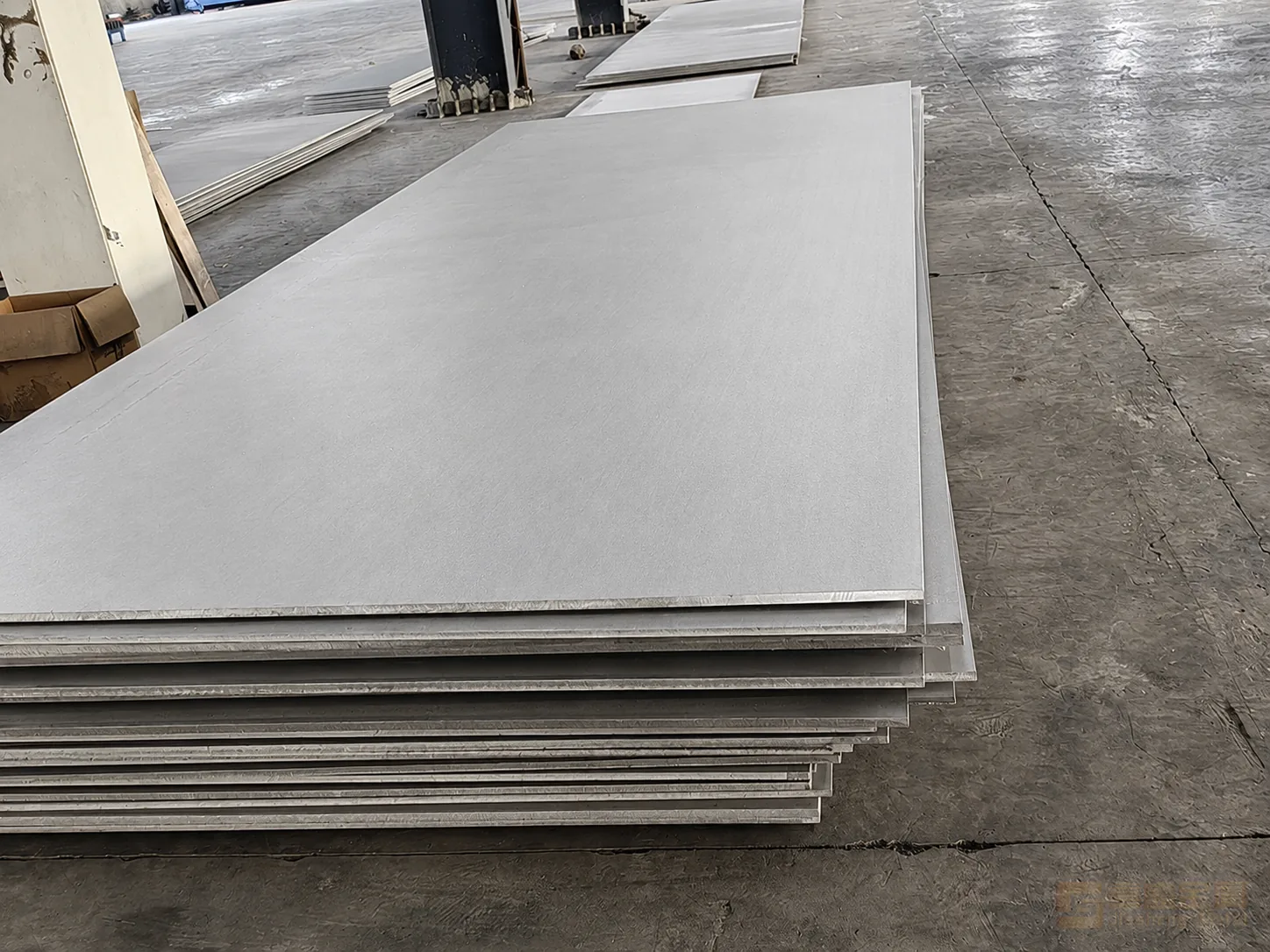
What to send us for a useful quotation
Share the application, grade or acceptable alternatives, thickness, width/length, surface finish, quantity, destination and any mandatory standard. If the environment includes salt spray, chemicals or sustained moisture, mention it early so the material selection can be reviewed.
Buyer takeaway
A lower unit price is only worthwhile if the material performs adequately in the final application. When requirements are uncertain, sample testing and customer-side design approval are sensible steps.
Need help specifying stainless steel?
Send us your grade, thickness, dimensions, surface finish, quantity, application and delivery destination. Our team can review the available material and processing options before quotation.